

Rosehip Oil for Face: The Complete Australian Guide to Glowing, Nourished Skin
Share
Walk through any natural health shop in Australia and you will find rosehip oil positioned as a skin-care staple. But what separates a quality rosehip oil for face from the rest, and why has this lightweight carrier oil earned such a loyal following among Australian skin enthusiasts? This guide covers everything — the science, the application, and how to choose a cold-pressed, organic rosehip oil that actually delivers.
What Is Rosehip Oil and Where Does It Come From?
Rosehip oil is extracted from the seeds of the Rosa canina plant, a wild rose native to Chile and widely cultivated across Europe, South America, and parts of Australia. After the rose blooms and the petals fall, the plant produces small, red fruit called rose hips. Inside those hips are seeds rich in unsaturated fatty acids, carotenoids, and fat-soluble vitamins.
The best rosehip oil for face uses cold-press extraction, a method that presses the seeds without heat so that the oil's delicate nutritional profile stays intact. Heat extraction is cheaper but degrades the very compounds that make rosehip oil effective. At Pure Vivid, all rosehip oil is cold-pressed and certified organic, ensuring nothing is lost between harvest and the moment you apply it to your skin.
The Science Behind Rosehip Oil Benefits for Skin
Rosehip oil benefits for skin stem from a handful of well-documented active compounds:
Linoleic acid (omega-6): This essential fatty acid makes up roughly 45–55% of rosehip seed oil for face. Research published in Advances in Dermatology and Allergology (2019) found that linoleic acid-rich oils help maintain the skin's barrier function, reducing transepidermal water loss — the main culprit behind dry, flaky skin.
Alpha-linolenic acid (omega-3): Making up around 20–25% of rosehip oil's fatty acid profile, alpha-linolenic acid has anti-inflammatory properties that may calm redness and reactive skin.
Trans-retinoic acid: Rosehip seed oil for face contains a small but meaningful amount of trans-retinoic acid — a naturally occurring form of vitamin A. Unlike synthetic retinoids, this natural version is gentler yet still supports cellular turnover, which is why rosehip oil is often recommended for post-acne marks.
Vitamin C (ascorbic acid): Rosehip oil is one of the highest natural plant sources of vitamin C, which plays a direct role in collagen synthesis. Regular use of rosehip oil for face may support skin firmness over time.
Beta-carotene: This carotenoid gives rosehip oil its characteristic golden-orange colour and acts as an antioxidant, helping to neutralise free radicals generated by UV exposure and pollution — two concerns particularly relevant to the Australian climate.
Rosehip Oil for Face: The Key Benefits
1. Hydration Without Heaviness
One of the most common reasons Australians reach for rosehip oil for face is its ability to deliver lasting hydration in a formula that never feels greasy. The dry-finish texture absorbs within minutes, making it compatible with moisturisers and SPF — you can layer it into your morning routine without worrying about a slick residue under makeup.
2. Fading Post-Acne Marks and Hyperpigmentation
The combination of trans-retinoic acid and vitamin C in rosehip oil for face creates a gentle brightening effect. Studies on rosehip seed oil for face show promising results for reducing the appearance of post-inflammatory hyperpigmentation — the dark spots left behind after breakouts — when applied consistently over six to twelve weeks.
3. Supporting Collagen and Skin Firmness
Vitamin C is a required cofactor in the body's collagen synthesis pathway. Applying rosehip oil for face delivers vitamin C topically, which may help maintain skin elasticity as part of a broader anti-ageing approach. Pair it with a diet rich in vitamin C-containing foods for the best internal and external effect.
4. Calming Dry and Sensitive Skin
For Australians dealing with dry, wind-exposed, or eczema-prone skin, rosehip oil benefits include its ability to reinforce the skin barrier. The linoleic acid content helps lock moisture in, reducing the tight, uncomfortable sensation that follows washing or spending time outdoors in harsh weather.
5. Brightening Dull Skin
Beta-carotene and the broader antioxidant profile of rosehip oil for face make it a useful tool for combating the dull, tired look that often comes with stress, poor sleep, or excessive sun exposure. The golden pigment of a quality cold-pressed rosehip oil deposits trace carotenoids that can subtly even out skin tone over time.
How to Use Rosehip Oil for Face
Getting the most from your rosehip oil for face comes down to three things: timing, layering, and consistency.
Morning Routine
After cleansing and applying any water-based serums, warm 3–5 drops of rosehip oil between your palms and press gently across the face and neck. Follow with your SPF moisturiser. The oil creates a light occlusive layer that helps your sunscreen stay put throughout the day.
Evening Routine
Rosehip seed oil for face works well as the penultimate step before a heavier night cream. If your skin is on the drier side, press the oil into damp skin after your serum to maximise absorption, then apply night cream on top.
Spot Treatment for Scars
For targeted application on post-acne marks or areas of hyperpigmentation, use a cotton tip to apply undiluted rosehip oil directly to the area. Leave for ten minutes before blending out with clean fingertips.
Choosing the Best Rosehip Oil Australia Has to Offer
Not all rosehip oils are equal. Here is what to look for on the label:
- Cold-pressed: This preserves the fatty acid profile and vitamin content.
- Certified organic: Ensures the seeds were grown without synthetic pesticides or herbicides that could irritate skin.
- Dark glass bottle: Rosehip oil oxidises quickly when exposed to light. A brown or amber bottle extends shelf life.
- Short ingredient list: High-quality rosehip oil for face should list Rosa canina seed oil as the first — and ideally only — ingredient.
- Australian-owned: Supporting local brands means fresher stock, shorter supply chains, and better traceability.
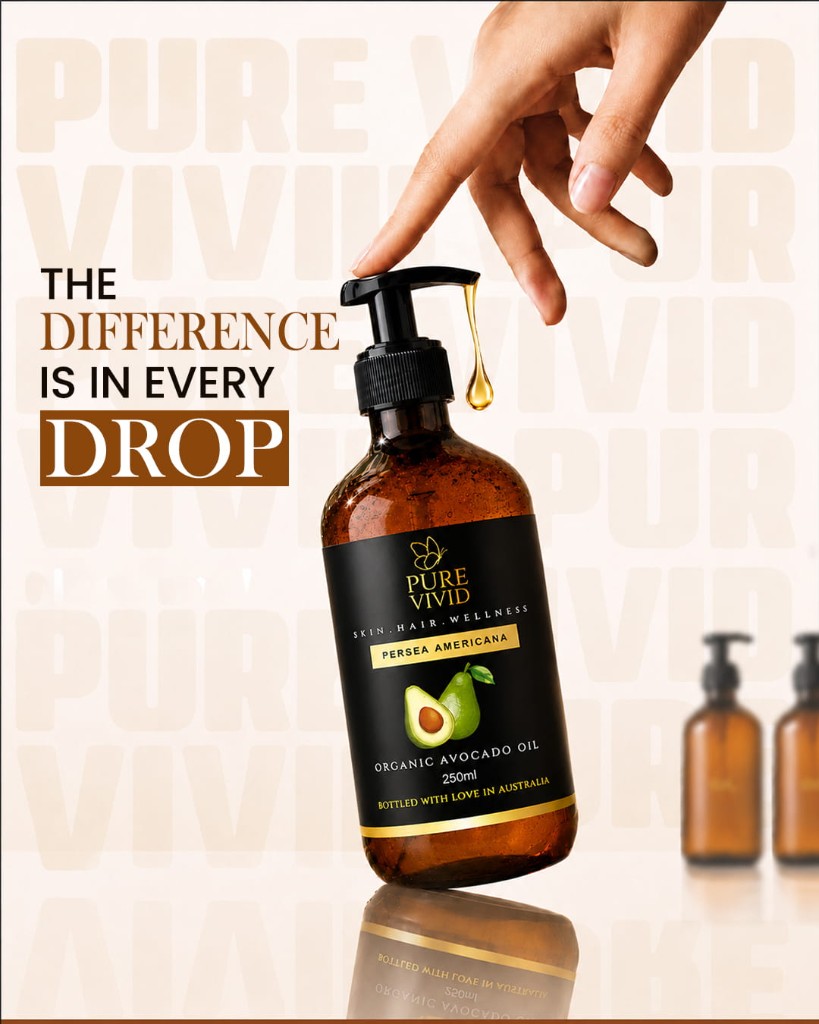
Pure Vivid's organic rosehip oil ticks every box. It is cold-pressed, NASAA-certified organic, and bottled in dark glass here in Australia, giving you confidence from the first drop to the last.
Rosehip Oil and Australian Skin: Why It Works Here
Australia's climate throws a lot at our skin — intense UV radiation, low humidity in arid regions, and salty ocean air in coastal cities. These conditions accelerate oxidative damage and transepidermal water loss, both of which rosehip oil is positioned to address.
The antioxidant load from beta-carotene and vitamin C helps offset UV-induced free radicals (though rosehip oil is not a substitute for SPF). The linoleic acid helps rebuild the barrier that Australian weather so often compromises. It is a natural pairing that explains why rosehip oil for face has become a fixture in Australian bathroom cabinets.
If you are new to carrier oils and want to start simple, pairing rosehip oil with jojoba oil is a great entry point — combine them in a 1:1 ratio for a well-rounded daily blend. You will find both in Pure Vivid's carrier oil collection, where every product is 100% Australian-owned and organically sourced.
Possible Side Effects and Patch Testing
Rosehip oil for face is gentle, but individual skin responses vary. Before applying it across your face, do a patch test: place a few drops on your inner forearm, wait 24 hours, and check for redness or irritation. If you use prescription retinoids, consult your dermatologist before introducing rosehip seed oil for face, as the trans-retinoic acid content may interact with your treatment plan.
Those with a known allergy to roses should also approach rosehip oil with caution, though allergic reactions are uncommon.
Conclusion: Your Face Deserves the Real Thing
Rosehip oil for face is not a trend — it is a time-tested botanical with a growing body of research supporting what traditional skin-care practitioners have known for decades. For hydration, brightness, barrier support, and a gentler path to reducing post-acne marks, cold-pressed organic rosehip oil belongs in your routine.
Whether you are building a simple three-step routine or layering into a more elaborate regimen, start with a pure, certified organic rosehip oil from a brand you trust. Your skin will tell you the difference.
Ready to experience the real thing? Explore Pure Vivid's full range of organic carrier oils — 100% Australian-owned, cold-pressed, and crafted for Australian skin.